Source Repair Damage Shampoo for Dry, Color-Treated, and Damaged Hair
Find 30 Repair Damage Shampoo options from Chinese manufacturers offering OEM and private label services. Compare formulations for damaged or all hair types, certifications like ISO22716, and packaging sizes ranging from 200ml to 500ml to suit your wholesale needs.
Key considerations
Products List


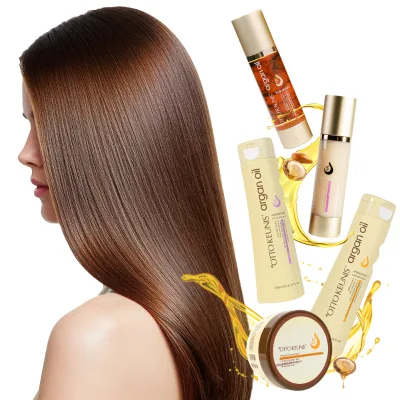
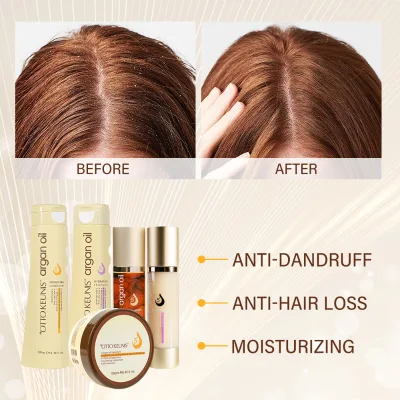


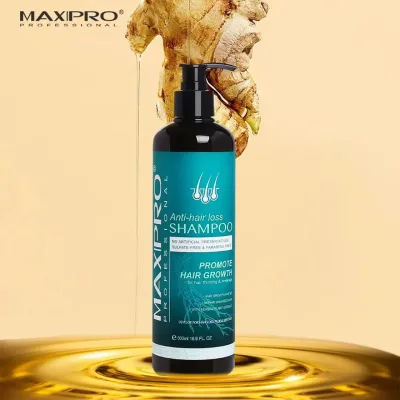


Repairing Customizable 300ml Hospitality Hair Shampoo for Anti Dandruff
$1.00 - $1.60
MOQ: 1000 Pieces


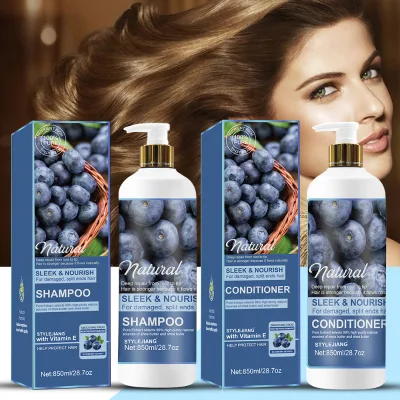
Comprehensive Sourcing Guide
Strategic Sourcing Guide for Repair Damage Shampoo Procurement
Understanding Product Specifications and Formulations
When sourcing Repair Damage Shampoo, buyers must first navigate the diverse technical specifications available in the global market. The core keyword implies a focus on restorative properties, yet the actual product landscape varies significantly in formulation, volume, and physical state. Based on observed market data, repair shampoos are not limited to a single form factor; they appear as lotions, liquids, and creams. This variation dictates the packaging requirements and the specific application method for the end-user. For instance, a cream-based formulation may offer a different texture and absorption rate compared to a standard liquid shampoo, necessitating distinct quality control protocols during the procurement process.
Volume is another critical specification variable. The market presents a wide range of standard sizes, including 200ml, 400ml, 410ml, 500ml, and larger bulk options like 330ml, 550ml, or 760ml. Some suppliers offer custom specifications ranging from 1-3kg, which is particularly relevant for professional salon use or private label bulk orders. The packaging material also varies, with common options including bottles made from PE (Polyethylene) and cartons designed for bulk shipping. A typical carton configuration might hold 24 units, though variations exist with 48 or 72 units per carton. Buyers must align their logistical needs with these specific packing densities to optimize shipping costs and warehouse space.
Furthermore, the ingredient profile is a primary differentiator. While the market includes products with herbal ingredients, many repair-focused shampoos rely on chemical formulations to achieve specific results. A key ingredient often cited in high-performance repair products is hydrolysed keratin, which is essential for rebuilding the hair structure. Other formulations may focus on color protection or moisture retention. The presence of these specific ingredients should be verified against the supplier's technical data sheet rather than assumed based on the product title alone.
Compliance, Certifications, and Regulatory Standards
Navigating the regulatory landscape is paramount when sourcing hair care products, especially those making repair and nourishment claims. The market data indicates that reputable suppliers often hold a suite of certifications that validate their manufacturing processes and product safety. Common certifications observed in this sector include GMPC (Good Manufacturing Practice for Cosmetics), ISO 22716, and Sedex. These standards ensure that the production facility adheres to international hygiene and quality management systems. Additionally, some suppliers may provide GMP, ISO, and FDA compliance documentation, which is crucial for entering regulated markets such as the United States or the European Union.
However, buyers must exercise caution and verify these claims directly. The presence of a certification on a product listing does not automatically guarantee that every SKU meets the same standard. It is essential to request current, valid certificates from the supplier before placing an order. The "prod_standard" field in supplier data often lists specific volumes like 500ml or 200ml, but these are product specifications rather than regulatory standards. True regulatory compliance involves adherence to local laws regarding ingredient labeling, safety assessments, and manufacturing practices.
For suppliers claiming to be OEM or ODM manufacturers, the certification status is even more critical. These entities are responsible for the entire production chain, and their ability to maintain ISO 22716 or GMPC standards directly impacts the safety and consistency of the final product. Buyers should also consider the "prod_origin" of the goods, with China being a noted origin for many of these products. While this indicates a manufacturing hub, it does not inherently define quality; the specific factory's certification history and audit results are the true indicators of compliance.
Cost Drivers and Pricing Dynamics
The pricing structure for Repair Damage Shampoo is influenced by several factors, including formulation complexity, volume, and customization requirements. The observed price range in the market spans from $0.02 to $25 per unit, a vast difference that reflects the diversity of product tiers. The lower end of the spectrum typically corresponds to basic formulations with standard volumes and minimal customization, while the higher end often includes premium ingredients like hydrolysed keratin, specialized scents, or complex private labeling services.
Minimum Order Quantity (MOQ) is a significant cost driver. The market shows an MOQ range from 1 to 10,000 units. A low MOQ of 1 unit might be suitable for sampling or small boutique orders, but it often carries a higher unit cost. Conversely, bulk orders at the 10,000-unit level can significantly reduce the per-unit price, making them attractive for large retailers or distributors. Buyers must balance their inventory needs with their cash flow to determine the optimal order size.
Customization services also impact the final cost. Suppliers offering "Customization: Available" or "Service: OEM ODM" may charge additional fees for developing unique formulas, creating custom labels, or adjusting packaging designs. The "Service: Distributor or Wholesaler" model might offer lower prices for standard SKUs but less flexibility for customization. Additionally, the lead time for samples, observed as 3-5 days, can affect the overall procurement timeline and associated costs. Faster sample turnaround might incur premium charges, while standard lead times are generally more cost-effective.
Typical Applications and Target Markets
Repair damage shampoos are designed for a specific set of applications, primarily targeting consumers with damaged, dry, or chemically treated hair. The product attributes indicate that these shampoos are suitable for "Damaged Hair" and "All Hair" types, making them versatile for various consumer segments. The functional claims often include "Repairing," "Color Protect," and "Nourshing Hair Shampoo," which address common hair care concerns such as breakage, fading color, and lack of moisture.
The target audience is broad, ranging from individual consumers to professional salon users. The "Gender" attribute shows that these products are often marketed as "Unisex" or "Female," indicating that while some formulations may be gender-neutral, others are specifically tailored to female hair care needs. The "Age Group" is consistently listed as "Adult," confirming that these products are not intended for pediatric use.
In terms of usage, these shampoos are often part of a broader hair care regimen. Some products are marketed as "Shampoo and Conditioner" types, suggesting a dual-action approach. The "Benefits" listed, such as "Add Shine" and "Moisture," highlight the aesthetic and functional outcomes expected by the end-user. The "Scent" profiles, including "Fruit & Floral" and "Natural Fragrance," play a crucial role in the user experience and brand positioning. Buyers should consider how these sensory attributes align with their target market's preferences when selecting a supplier.
Supplier Evaluation and Selection Criteria
Selecting the right supplier requires a rigorous evaluation process that goes beyond the initial product listing. Buyers should prioritize suppliers who offer "OEM ODM" services if they intend to build a private label brand, as these partners are equipped to handle custom formulations and packaging. The "Service: Customs Label or Private Label" option is particularly valuable for businesses looking to differentiate their products in a crowded market.
When evaluating suppliers, buyers must verify their manufacturing capabilities. The "OEM/ODM: Professional Manufacturer Directly for OEM" attribute suggests that some suppliers are direct manufacturers rather than trading companies. Direct manufacturers often provide better control over quality and pricing, though trading companies may offer a wider range of products. The "prod_model" numbers, such as "3280402-X" or "SHP-06," serve as unique identifiers for specific product lines and should be cross-referenced with the supplier's catalog to ensure accuracy.
It is also essential to assess the supplier's ability to handle the "Qty/CTN" variations. A supplier that can consistently pack 24, 48, or 72 units per carton demonstrates logistical flexibility. Additionally, the "Commodity: Best Selling Hair Treatment" label can be an indicator of market popularity, but it should be corroborated with actual sales data or customer reviews. Buyers should avoid relying solely on marketing claims and instead focus on the supplier's track record, certification validity, and responsiveness to inquiries.
Quality Control and Long-Term Procurement Strategy
Ensuring consistent quality is the cornerstone of a successful procurement strategy. The "Features" of the product, such as "Repair Dry/Damaged Hair" and "Protect Colored Hair," must be validated through rigorous testing. Buyers should request test results or third-party verification for these claims, especially since the "Ingredients" can vary between "Herbal" and "Chemical" formulations. The presence of "Main Ingredients: Hydrolysed Keratin" should be confirmed via a Certificate of Analysis (CoA) to ensure the concentration meets the stated specifications.
Long-term procurement considerations involve establishing a reliable supply chain that can scale with demand. The "Sample Lead Time" of 3-5 days is a positive indicator of a responsive supplier, but buyers must also consider the lead time for bulk production. Consistency in "prod_packing" and "prod_standard" is vital to avoid disruptions in the supply chain. Buyers should also monitor the "prod_origin" to ensure that geopolitical or logistical changes do not impact the availability of goods.
Finally, buyers should maintain a clear communication channel with suppliers regarding any changes in regulations or standards. The "Certificates" held by the supplier, such as GMPC, ISO, and Sedex, should be reviewed periodically to ensure they remain current. By focusing on these technical and operational details, buyers can mitigate risks and build a sustainable sourcing strategy for Repair Damage Shampoo that meets both quality and business objectives.
FAQs
What certifications do Repair Damage Shampoo manufacturers typically hold?
Reputable manufacturers often hold GMPC, ISO 22716, Sedex, GMP, and FDA certifications. These validate manufacturing hygiene and quality management systems. Buyers must verify current certificates directly from the supplier before ordering to ensure compliance with international standards.
Which product forms are available for Repair Damage Shampoo?
Repair shampoos appear as lotions, liquids, and creams in the market. The physical state dictates packaging and application methods. Buyers should select the form that aligns with their specific quality control protocols and end-user application requirements.
Can I customize the volume and packaging for bulk orders?
Yes, suppliers offer custom specifications ranging from 200ml to 760ml or bulk options up to 3kg. Packaging typically uses PE bottles packed in cartons holding 24, 48, or 72 units. This flexibility supports both retail and professional salon distribution needs.
What is the typical sample lead time for these products?
The sample lead time is typically 3 to 5 days. This indicates a responsive supplier capable of quick turnaround. Faster sample delivery may incur premium charges, so buyers should confirm standard lead times to optimize procurement timelines and costs.
How does the minimum order quantity affect pricing?
MOQs range from 1 to 10,000 units, significantly impacting the per-unit cost. Lower MOQs suit sampling but carry higher prices, while bulk orders reduce costs. Buyers must balance inventory needs with cash flow to determine the optimal order size for their business.
Which ingredients are commonly used in these formulations?
Formulations often include hydrolysed keratin, herbal extracts, or chemical agents. The specific ingredient profile varies by product and function. Buyers should request a Certificate of Analysis to verify ingredient concentrations and ensure the formula meets their quality and safety expectations.